Helping Your Toddler Name Big Feelings (and Why It Works)
Tales with Mom
June 7, 2026 6 min read
Helping your toddler name big feelings, like saying “you're feeling frustrated,” is one of the most powerful ways to calm a meltdown and build lifelong emotional skills. Putting a word to a feeling helps a child feel understood and slowly teaches them to manage it. Here is how to do it, and how stories make it easier.
Why naming feelings works
Researchers call it “name it to tame it.” When you label a feeling, you help calm the brain's alarm and your child feels truly seen. Over time, the words you give them today become the tools they use to handle big emotions on their own.
How to name feelings in the moment
- Get down low, calm, and close before you say anything.
- Name what you see: "you're really mad that the tower fell down."
- Accept the feeling, even as you hold the limit on behavior.
- Resist the urge to fix it right away. Being understood is the fix.
- Offer words for next time: "you can say, I'm frustrated."
Feeling words to teach first
- Start simple: happy, sad, mad or frustrated, scared, excited, tired.
- Add nuance as they grow: nervous, proud, shy, jealous, disappointed.
- Name your own feelings out loud too, so they hear it modeled.
Phrases to try (and ones to skip)
The exact words matter less than the warmth behind them, but these help:
- Try: “You're really frustrated that it broke.” It names the feeling and the cause.
- Try: “It's okay to be mad. I'm right here.” It accepts the feeling.
- Skip: “You're fine, stop crying.” It tells them not to feel.
- Skip: “Big kids don't cry.” It adds shame on top of the feeling.
You are not agreeing that hitting or screaming is okay. You are agreeing that the feeling is real, which is exactly what helps it pass.
Let stories carry the feelings
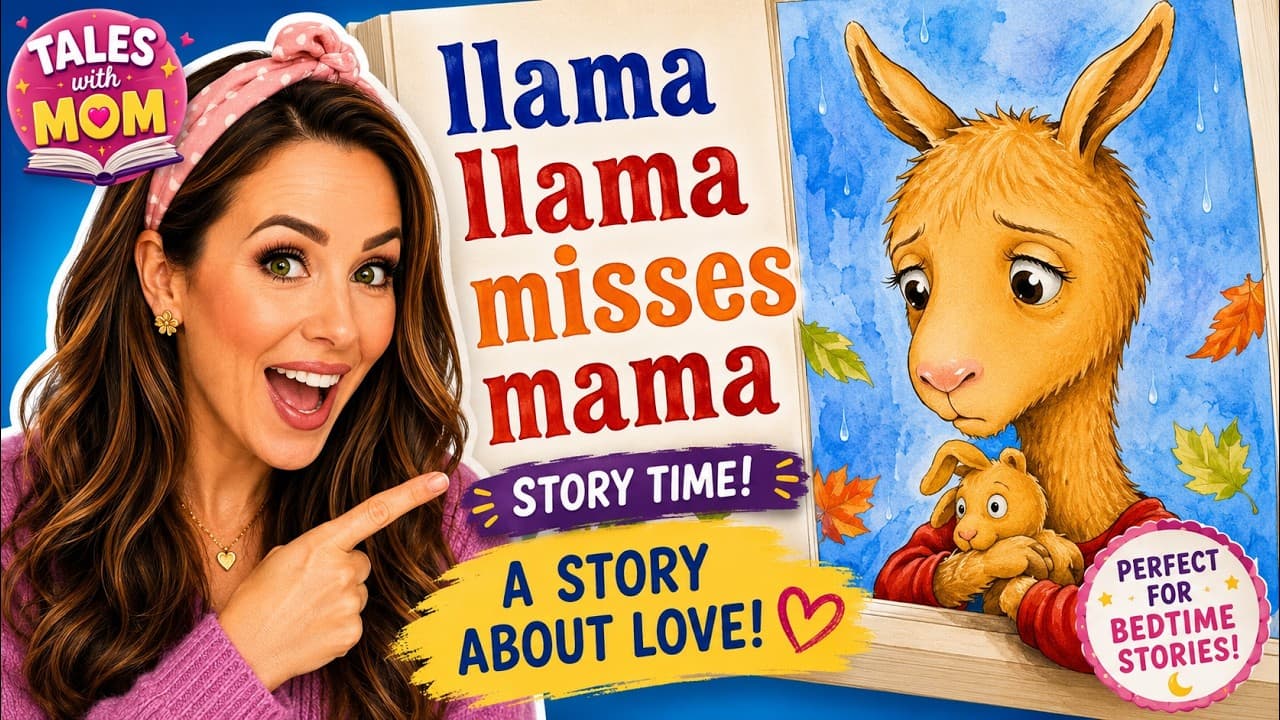
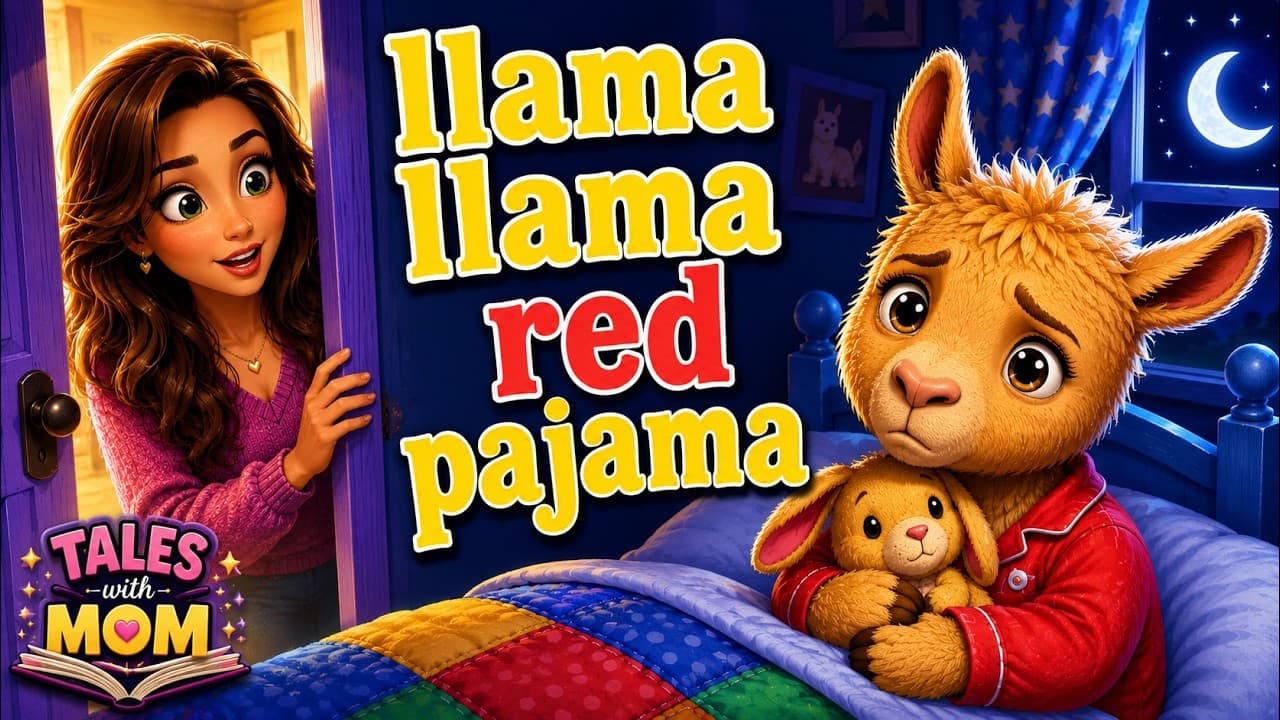
Books let a child meet a big feeling from the safety of your lap, watch a character cope, and borrow the words. Anna Dewdney's Llama Llama stories are some of the best for exactly this:
When feelings boil over from sheer overload, our guide on calming an overstimulated toddler can help, and you can join the newsletter for a new read-aloud each week.