Summer Learning Without Worksheets: Colors, Counting & Curiosity
Tales with Mom
June 7, 2026 5 min read
Summer doesn't have to mean a learning slide. The trick isn't flashcards by the pool, it's noticing. A few minutes of stories plus a little curiosity outdoors keeps colors, counting, and big questions growing all season, and it feels like play because it is.
Why summer is secretly great for learning
Little kids learn best from real, sensory, low-pressure moments, and summer is full of them. A concept tied to a fun memory (the red popsicle, the five seashells) sticks far better than the same fact on a worksheet. You are not adding school to summer. You are just naming what is already there.
Colors are everywhere outside
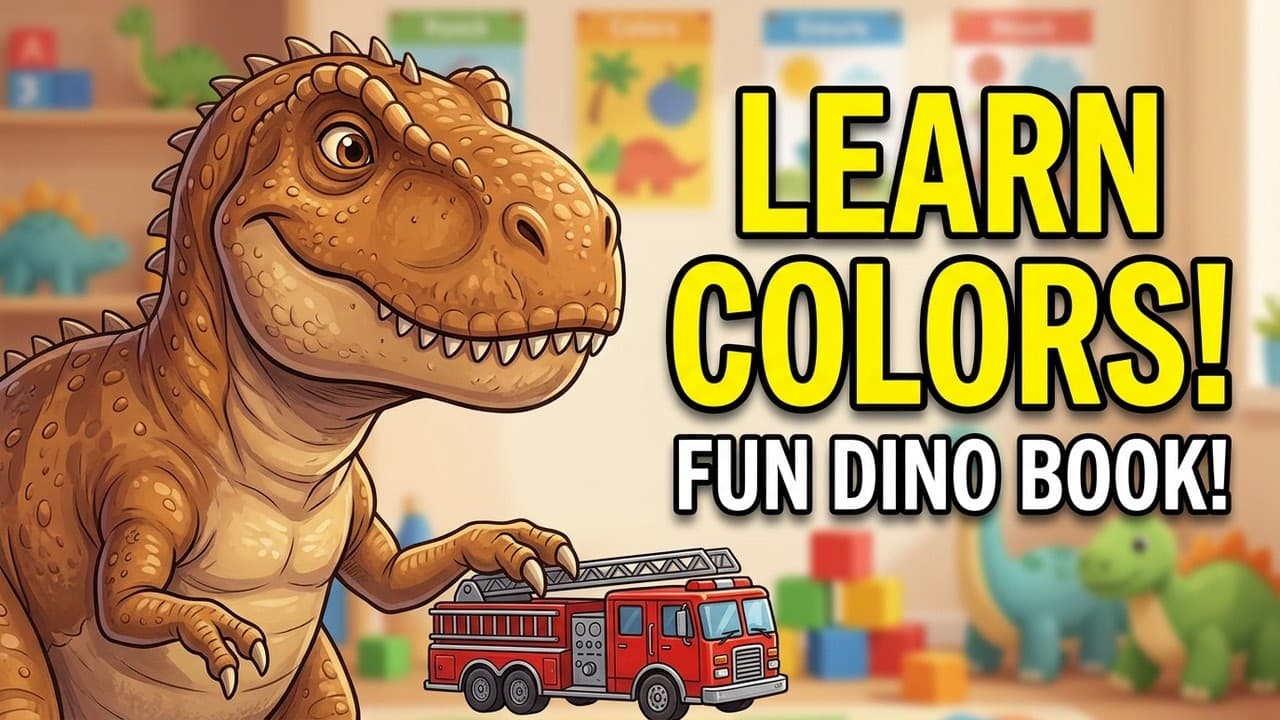
Point and name as you go: beach umbrellas, popsicles, flowers, towels. Pair it with a big, bold color book like our How Do Dinosaurs Learn Colors? read-aloud, then try these:
- I-spy a color: take turns finding everything red, then everything blue.
- Popsicle prediction: guess the color before the wrapper comes off.
- Nature rainbow: collect one thing for each color on a walk.
Counting on the go
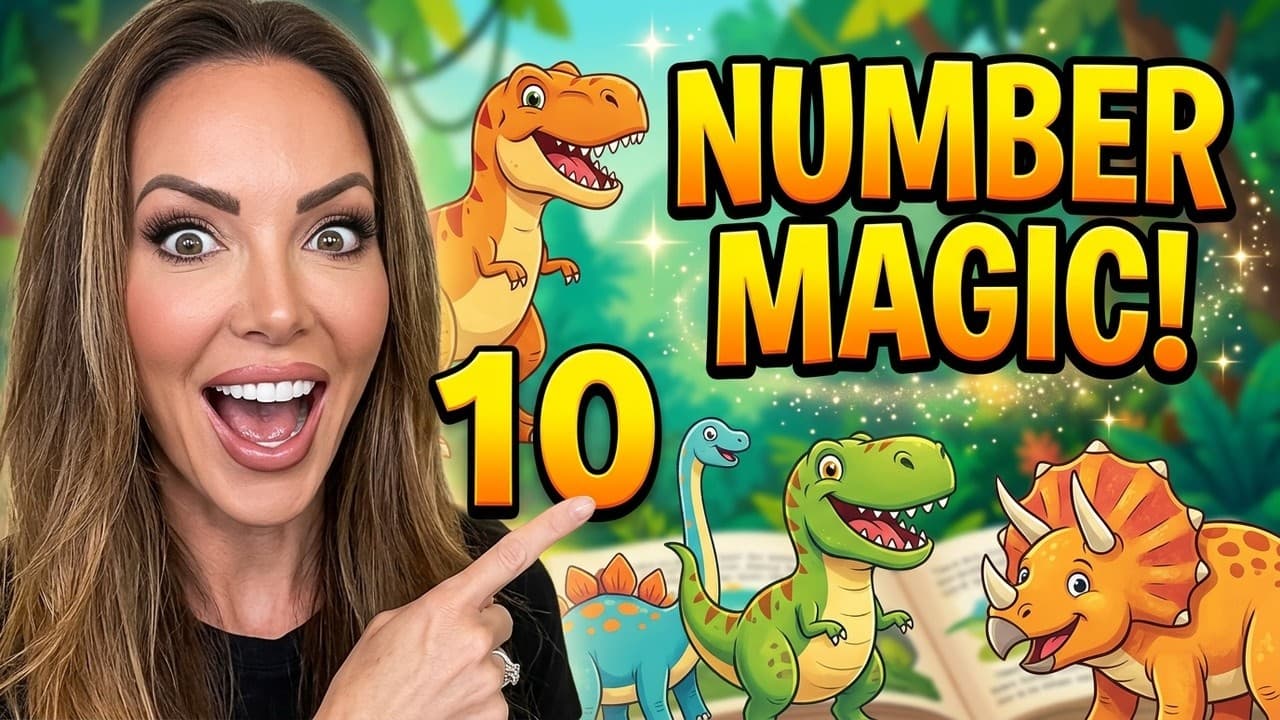
Counting clicks when kids count real things. With a counting book like our Dinosaur Number Learning Game in the rotation, count your way through the day:
- Count the steps to the pool, the shells in the bucket, the bites of watermelon.
- Set the snack table together: how many cups do we need?
- Count down to the fun: five, four, three, two, one, jump in!
Feed the curiosity
Summer is one long string of why questions. You don't need the perfect answer, just wonder out loud together: “I don't know, what do you think?” Curiosity is the real engine of learning, and a story before nap keeps reading in the daily rhythm even when the schedule goes sideways.
A loose summer rhythm (not a schedule)
You do not need a chart on the fridge. A gentle, repeatable shape to the day is plenty:
- Morning: get outside while it is cool. Name colors, count steps, hunt for bugs.
- After lunch: a quiet story or two before nap or rest time.
- Afternoon: water play, sand, or a simple craft. Mess is where a lot of learning hides.
- Evening: a wind-down read-aloud as part of bedtime.
Hit a few of these most days and call it a win. Consistency, not intensity, is the point.
Keep a story in the routine
Anchor a daily read-aloud to nap or bedtime so it survives the busy days. For sunny picks to read all season, see the best beach and summer picture books, or join the newsletter for a new read-aloud and printable each week.